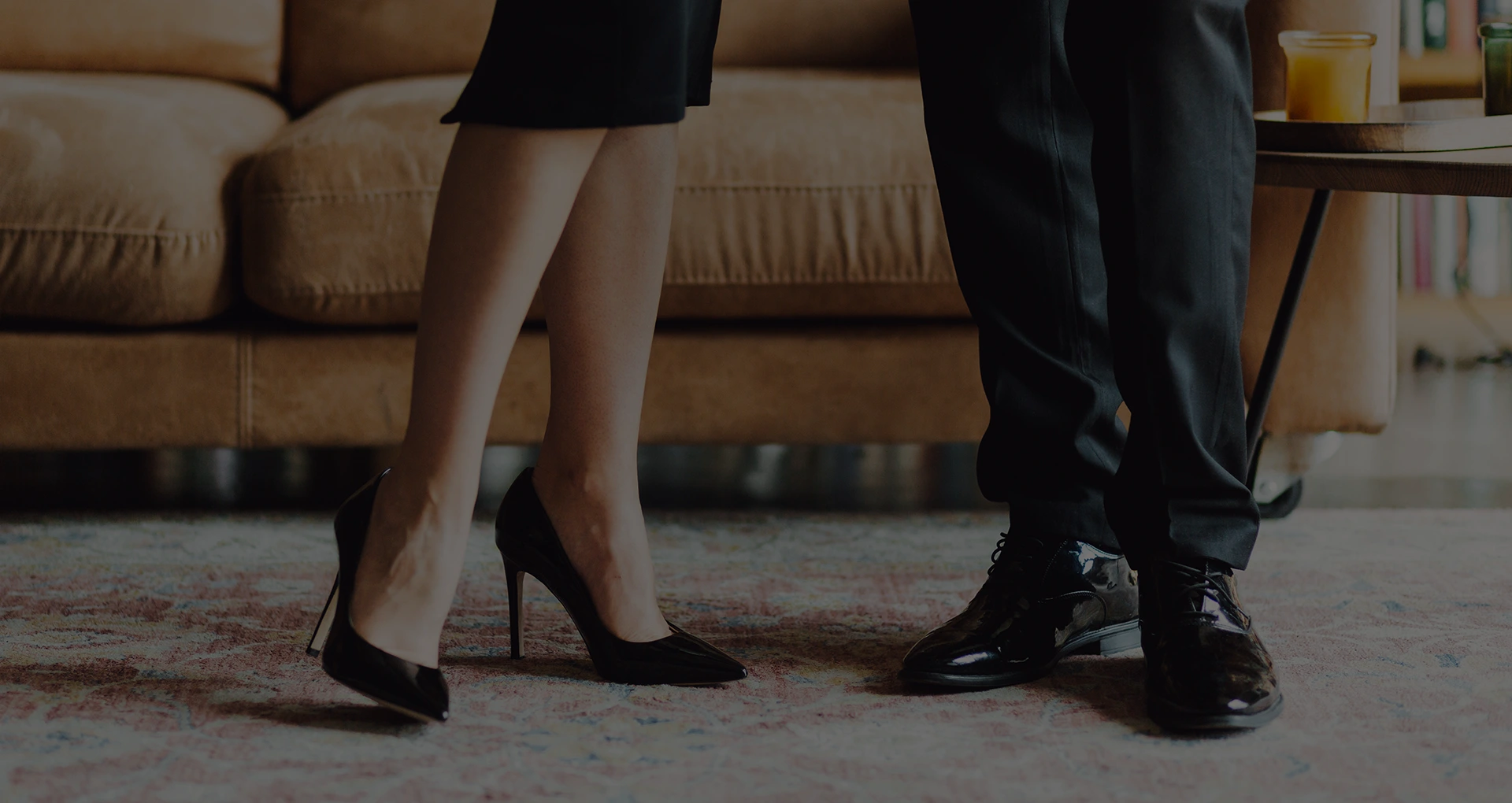
The intersection of footwear, craftsmanship, and art
From classic silhouettes to modern athletic footwear, shoes combine function and personal expression through thoughtful craftsmanship, considered material choices, comfort-focused design, and enduring style.
Styles for women
Exploring women’s silhouettes from pumps to flats
Women’s footwear spans diverse silhouettes, from high-heeled stilettos that influence posture to everyday ballet flats designed for comfort and versatility.
Styles for men
Defining classic menswear from Oxfords to loafers
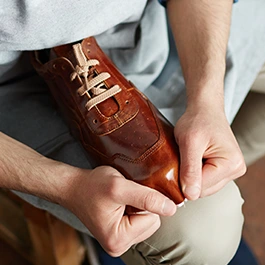
Traditional men’s dress shoes are distinguished by their construction: formal Oxfords use closed lacing, while Derby shoes and brogue styles provide more relaxed alternatives.

The process of creation and ergonomic design
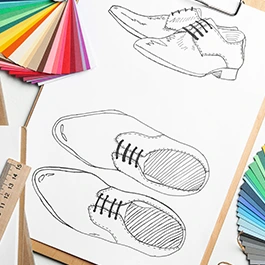
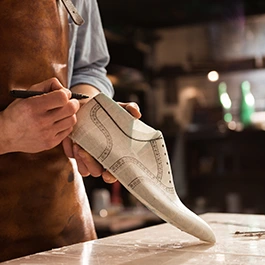
From concept to prototype
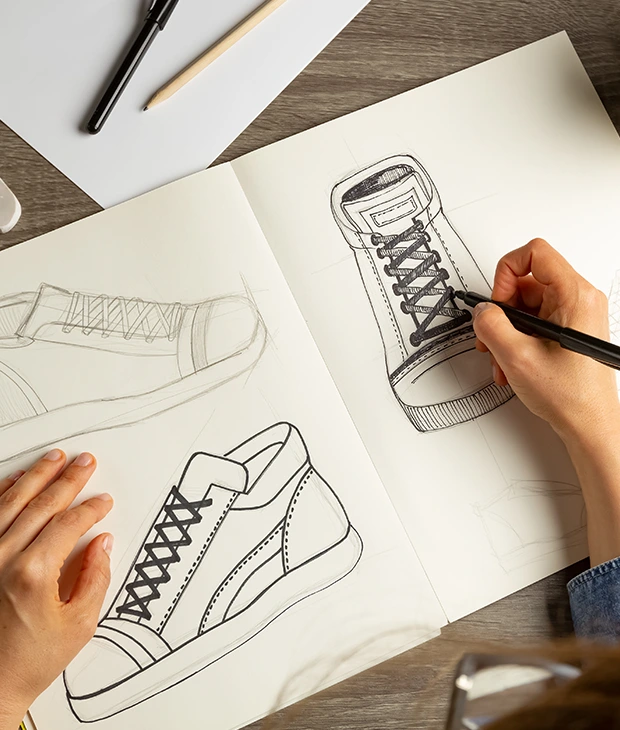
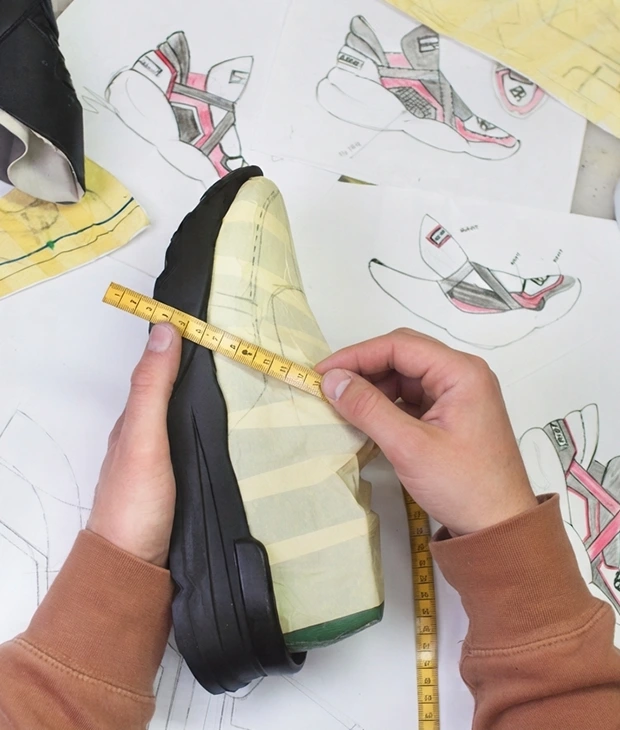
A footwear design moves from a two-dimensional drawing to a physical prototype that can be assessed for shape, proportion, and construction.
The importance of the last
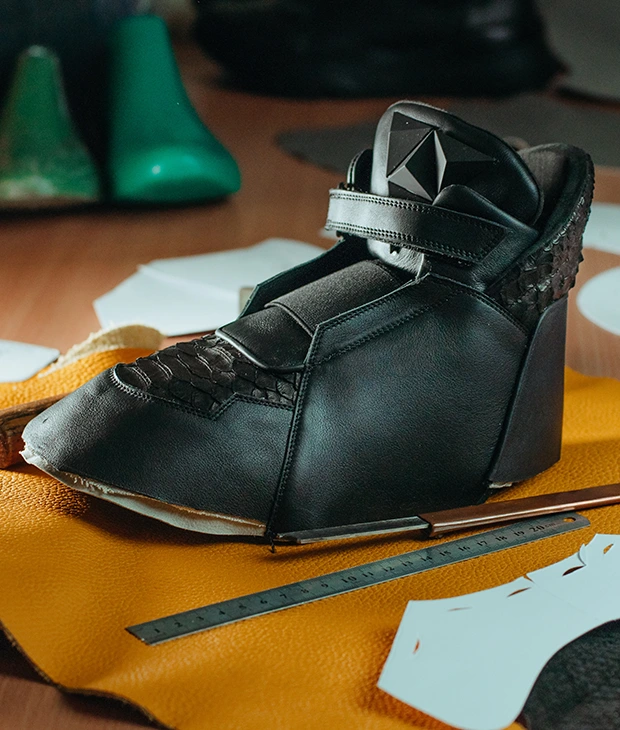
The shoe last is a foot-shaped model that determines the final shape, internal volume, and overall fit of the footwear.
Integrating anatomical support
Footwear ergonomics combines arch support, targeted cushioning, and controlled flexibility to support comfort and natural movement.
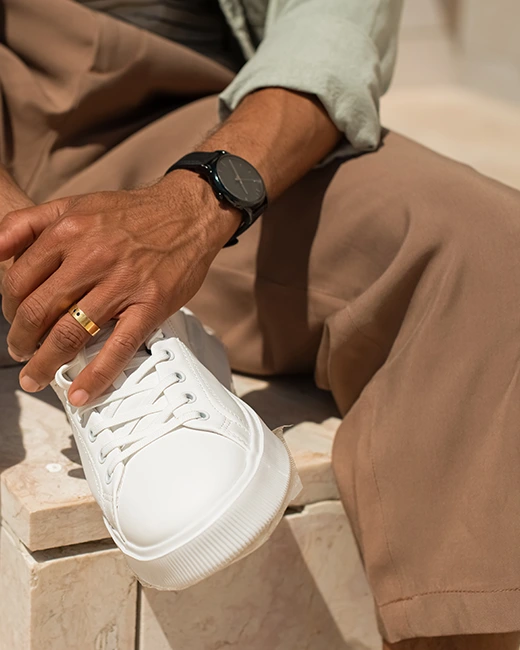
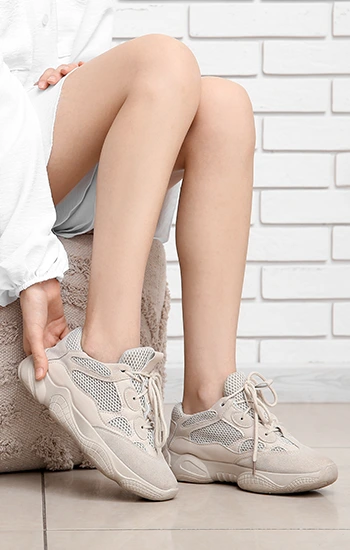
Sneakers as a cultural phenomenon
Understanding leathers and shoe materials

Full-grain versus suede
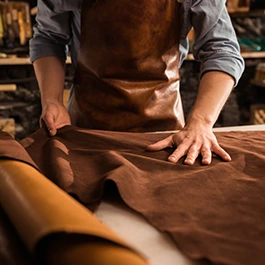
Full-grain leather is durable and responds well to polishing, while suede care focuses on preserving its softer textured surface.

Canvas and synthetic textiles
Canvas and synthetic textiles offer lightweight, breathable options that are common in sneakers and warm-weather footwear.

Foundation of the sole
Rubber outsoles improve grip, while EVA foam provides lightweight cushioning in the midsole.
Maintenance for longevity
Essential practices for proper shoe care
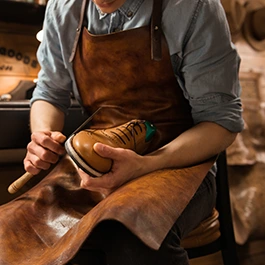
Regular shoe maintenance extends the life of footwear by preserving materials and helping shoes retain their intended shape. Consistent cleaning and drying habits limit long-term damage from moisture, dirt, and everyday wear.
Leather conditioning helps prevent drying and cracking. Shoe trees absorb moisture and help preserve the toe box and heel shape, while rotating pairs allows footwear to dry more completely between wears.